

Punishing headbutts damage the brains of musk oxen. That observation, made for the first time and reported May 17 in Acta Neuropathologica, suggests that a life full of bell-ringing clashes is not without consequences, even in animals built to bash.
Although a musk ox looks like a dirty dust mop on four tiny hooves, it’s formidable. When charging, it can reach speeds up to 60 kilometers an hour before ramming its head directly into an oncoming head. People expected that musk oxen brains could withstand these merciless forces largely unscathed, “that they were magically perfect,” says Nicole Ackermans of the Icahn School of Medicine at Mount Sinai in New York City. “No one actually checked.”
In fact, the brains of three wild musk oxen (two females and one male) showed signs of extensive damage, Ackermans and her colleagues found. The damage was similar to what’s seen in people with chronic traumatic encephalopathy, a disorder known to be caused by repetitive head hits (SN: 12/13/17). In the musk ox brains, a form of a protein called tau had accumulated in patterns that suggested brain bashing was to blame.
In an unexpected twist, the brains of the females, who hit heads less frequently than males, were worse off than the male’s. The male body, with its heavier skull, stronger neck muscles and forehead fat pads, may cushion the blows to the brain, the researchers suspect.
The results may highlight an evolutionary balancing act; the animals can endure just enough brain damage to allow them to survive and procreate. High-level brainwork may not matter much, Ackermans says. “Their day-to-day life is not super complicated.”
 Rule breaking by just a few people can be contagious
  A quantum computing feat brings the ‘megaquops’ era a step closer
  AI can give you your voice back
 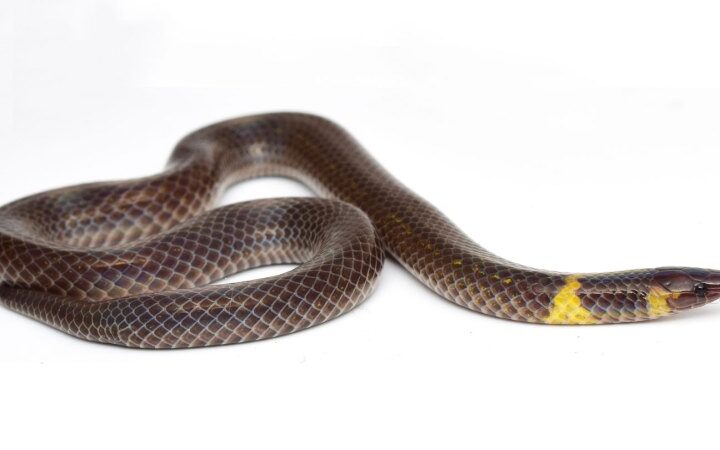 These tiny snakes cartwheel to escape danger
  Japan’s sample return mission to Phobos may also collect some Mars dust
  Horned dinosaurs’ weapons evolved to handle the forces of combat
  ‘One step away from famine’: Inside Afghanistan’s hunger crisis
  Bangladesh: UNICEF chief calls for an end to child marriage
  Yemen war continues to force families from homes amid hunger and disease