

The boa constrictor’s choke hold is an iconic animal attack. By coiling around its prey, a snake can squeeze the life out of a victim in mere minutes before gulping it down whole (SN: 8/9/15). But it’s been unclear just how Boa constrictor squeezes so hard — or swallows something as big as a monkey — without suffocating itself.
Now, experiments show that when one part of a boa constrictor’s rib cage is compressed — preventing the part of its lungs enclosed there from drawing in air — the snake can move another section of its rib cage to inflate its lungs there. Boas and other snakes probably couldn’t have started throttling and swallowing large prey without this ability, researchers report March 24 in the Journal of Experimental Biology.
Biologist John Capano of Brown University in Providence, R.I., and colleagues implanted metal markers on the ribs of three boa constrictors, about one-third and halfway down the animals’ bodies. Tracking those markers in X-ray videos of the animals let the researchers map rib motions over different parts of the snakes’ lungs.
In these videos, the team wrapped a blood pressure cuff around different parts of the animals’ bodies. Then, the scientists increased the cuff’s pressure until the rib cage couldn’t move in that area — mimicking the effect of a snake using that part of its body to grip or gulp down prey.
When gripped by a cuff about one-third of the way down their body, snakes breathed by moving some ribs closer to their tails. When wrapped in a cuff about halfway down their body, snakes breathed by moving some ribs closer to their heads. “They can basically just breathe wherever they want,” Capano says. That makes him wonder whether snakes also adjust their breathing during other activities that compress their bodies, such as slithering.
 A quantum computing feat brings the ‘megaquops’ era a step closer
 AI can give you your voice back
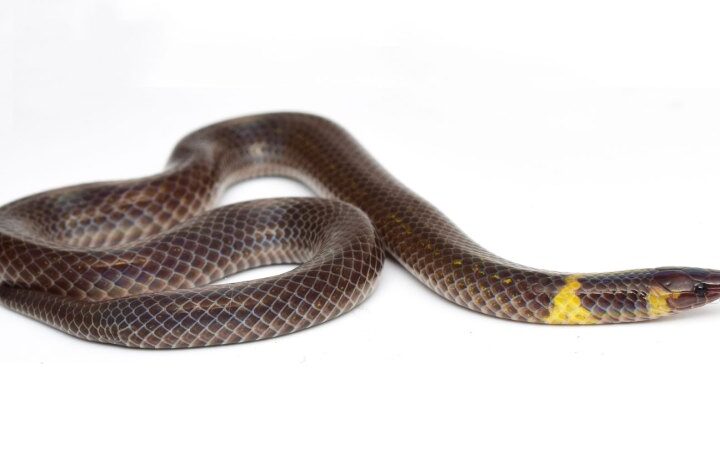 These tiny snakes cartwheel to escape danger
 Japan’s sample return mission to Phobos may also collect some Mars dust
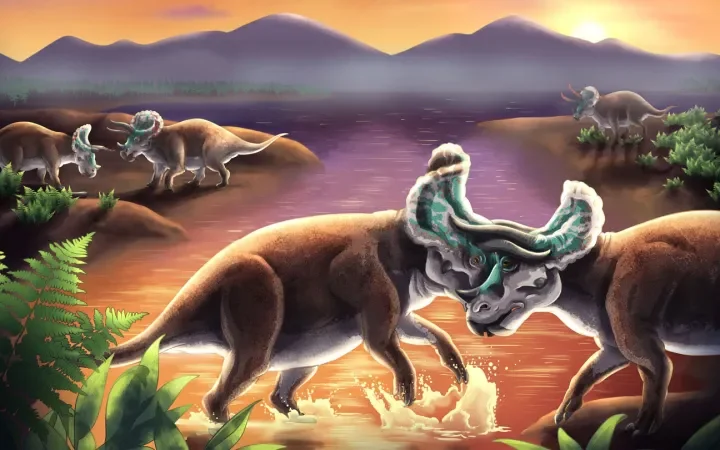 Horned dinosaurs’ weapons evolved to handle the forces of combat
 Artemis II results show how much science people can do at the moon
 Yemen war continues to force families from homes amid hunger and disease
 Afghan Women Defy Taliban Restrictions Through Online Protests
 Food Insecurity and Child Malnutrition Worsen in Afghanistan Despite Strong Agricultural Season
 People Who Choose to End Their Lives