

A new kind of “gold standard” could soon permeate the whiskey industry.
Whiskey distillers typically age spirits in charred, wooden casks for years, allowing the liquor to gradually absorb flavorful chemicals released from the wood (SN: 10/31/19). Now, researchers have demonstrated that swirling gold ions into a whiskey can reveal how much flavor the liquor has taken in — a quality called agedness. The method could provide master blenders with a quick and inexpensive test for whiskey agedness, researchers report October 6 in ACS Applied Nano Materials.
“A tiny amount of gold gives you this really bright, strong, red or blue or purple color,” says William Peveler, a chemist at the University of Glasgow in Scotland. The stronger the color, and the quicker that color arises, the more aged the whiskey, he says.
Master blenders sometimes conduct tasting sessions to gauge agedness, but this process can be labor intensive. Alternatively, laboratory assays can measure agedness by checking whiskeys for flavorful chemicals called congeners, absorbed from wood casks, but such analyses can be expensive.
Past research has shown that various chemicals, from neurotransmitters to poor-tasting compounds in maple syrup, could trigger gold ions in a solution to coalesce into ultra-tiny gold nuggets, or nanoparticles. So Peveler and colleagues mixed solutions containing less than a penny’s worth of gold ions into different whiskey blends and a vodka. While no nanoparticles formed in the vodka, the ions reacted with whiskey congeners to form nanoparticles in minutes. The size and shape of the nanoparticles varied between whiskeys, causing the spirits to flourish with different colors.
The researchers plan to further investigate how gold nanoparticles grow alongside alcohols and sugars in whiskeys to develop an even more comprehensive test for agedness.
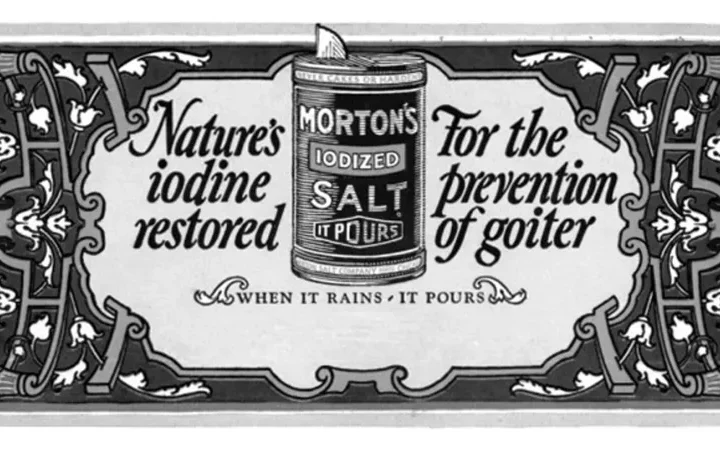 Many American diets may not include enough of this essential nutrient
 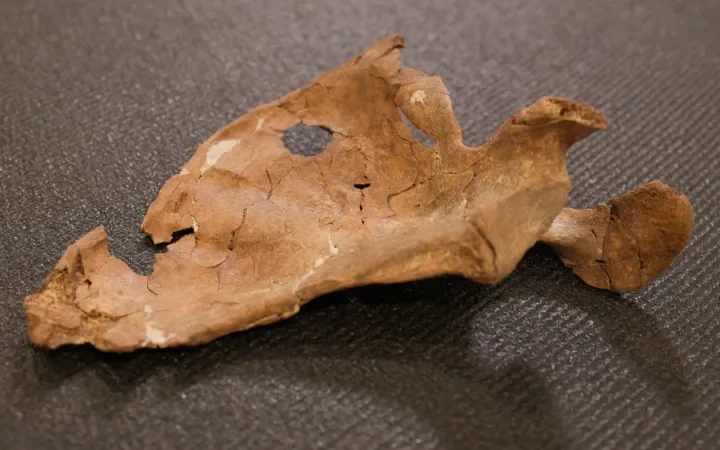 A telling hole in a Neandertal bone hints at a bitter end
  Brain implants are helping people who’ve lost their voice
 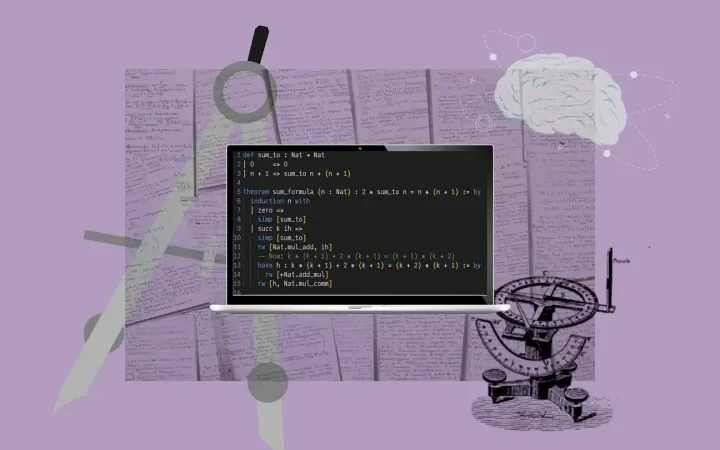 Can math stay human in the age of AI?
 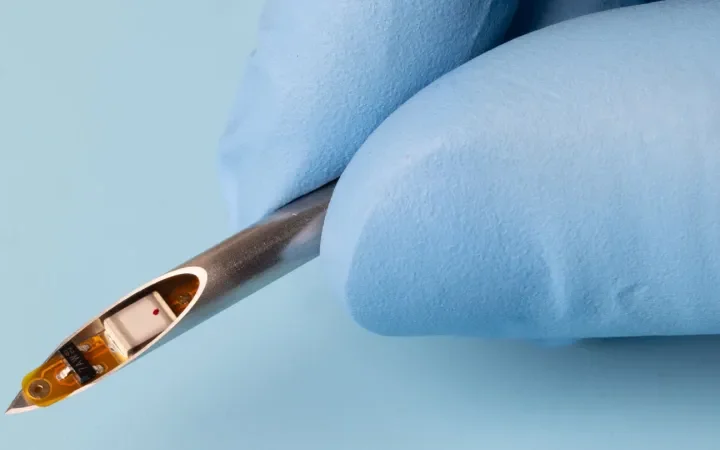 Tiny implants can use the body itself to talk to each other
  Voyager 1 is nearly one light-day from Earth. What’s out there?
  If the UN COP17 Is Serious About Biodiversity, It Needs to Follow the Money
 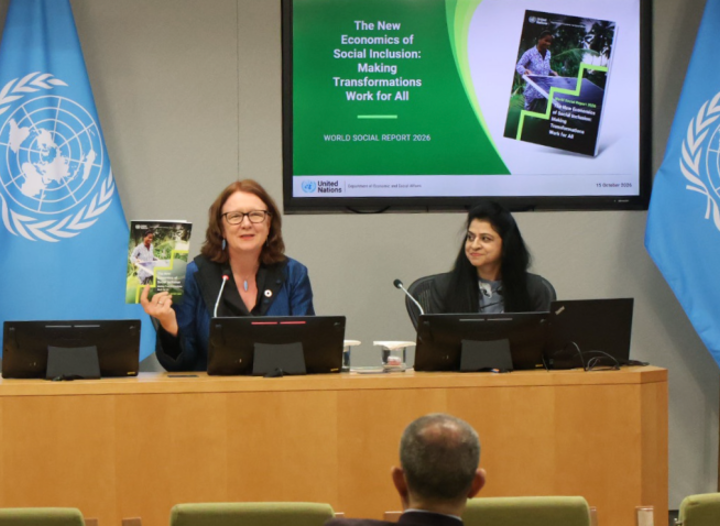 ‘Prioritize Social Inclusion as Rapid Transformations Risk Leaving Millions Behind’
  Finding Silver Linings Amid Haze of Climatic Uncertainty
  Could your brain data be used against you? UN calls for limits on neurotechnology