
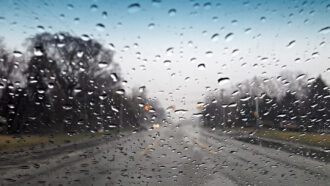
Staring at raindrops on a car windshield is more than just a way to get in touch with your emo side. You might also learn some physics.
As a car speeds along in the rain, some water droplets slide up the windshield, others slide down, and some seem stuck in place. “It’s very hypnotizing, isn’t it?” says fluid mechanics researcher Sungyon Lee of the University of Minnesota in Minneapolis.
Lee and Alireza Hooshanginejad, a fluid mechanics researcher at Cornell University, used mathematical equations to describe the forces on the raindrops. That work revealed several factors that determine a droplet’s behavior, the pair reports March 4 in Physical Review Fluids.
Raindrops on a moving car’s angled windshield simultaneously experience forces from gravity and from the wind that speeds over the car. The direction that a raindrop moves depends on its size, Lee and Hooshanginejad say.
For larger raindrops, gravity wins, pulling the droplets down. For smaller raindrops, wind prevails, pushing them up the slope. For medium-sized raindrops, the forces balance out and the droplets sit still. The tiniest raindrops also stay put, because the wind doesn’t provide enough oomph to overcome water’s tendency to adhere to the glass.
Other factors affect the raindrops’ behavior, too. As the car’s speed, and therefore wind speed, increases, larger raindrops get pushed up the windshield. Decreasing the car’s speed has the opposite effect. And if the car moves slowly enough, there won’t be enough wind to coax any raindrops to move upward. Meanwhile, windshields that are more steeply angled allow smaller raindrops to succumb to gravity than shallower windshields do, the results suggest.
To simplify the calculations, the researchers studied an idealized version of raindrops, based on only two dimensions. That means that the results won’t translate perfectly to real-world raindrops, Lee says, but can still give a sense of why water droplets do what they do.
 How the Grand Canyon could have lost 1 billion years of geologic history
 Here’s a look at the Nobel Prizes for science
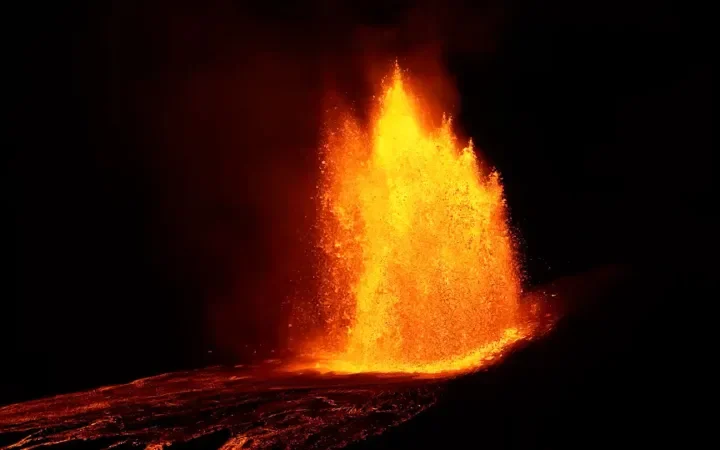 Kilauea’s display is revealing why volcanoes spew like a fountain show
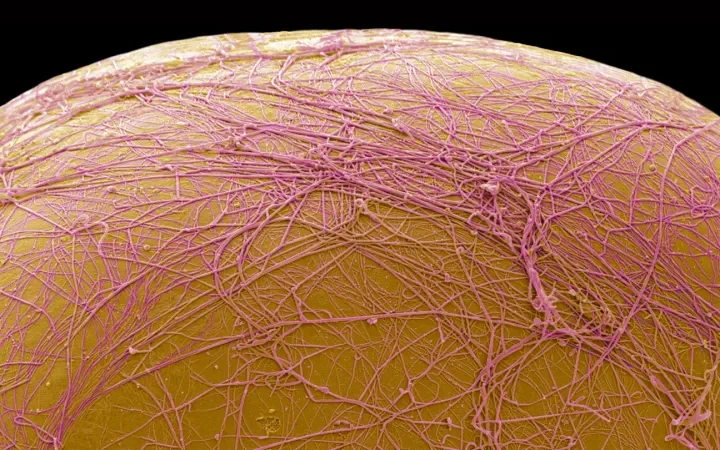 An experimental drug kills fat cells, rather than shrinking them
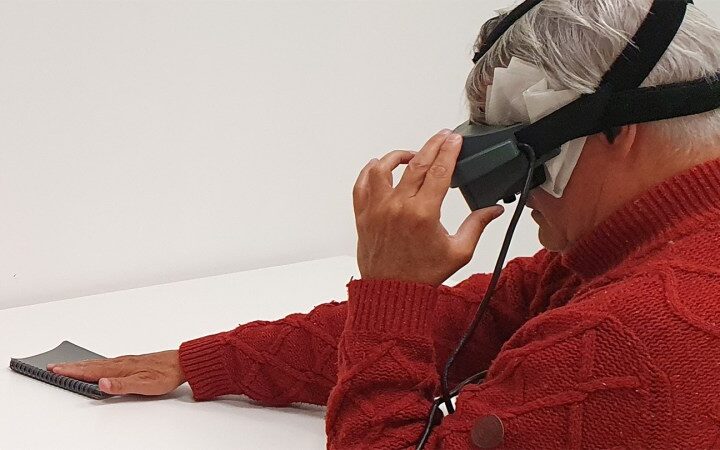 Gene therapy and special goggles give some blind people limited sight
 A quake on Mars may have set these rocks rolling
 Nearly 50,000 Women and Girls Killed or Severely Injured in Gaza in Three Years of War – One in 21 Gazan Women and Girls
 ‘Serious blow’: Guterres condemns new US sanctions on International Criminal Court
 Security Council LIVE: Cycle of escalating attacks on civilians in Ukraine ‘must end now’
 Livestreaming US execution would breach prohibition of torture, UN rights office warns