
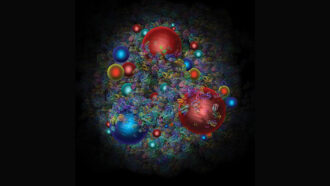
The proton’s antimatter is out of whack. An imbalance between two types of antiparticles that seethe within the proton is even wonkier than previously thought, a new measurement indicates.
Protons are built from three quarks — two “up” quarks and one “down” quark. But they also contain a roiling sea of transient quarks and antiquarks that fluctuate into existence before swiftly annihilating one another. Within that sea, down antiquarks outnumber up antiquarks, measurements revealed in the 1990s. And that lopsidedness persists in a realm of quark momenta previously unexplored, researchers from the SeaQuest experiment at Fermilab in Batavia, Ill., report February 24 in Nature.
Typically, each antiquark carries only a tiny slice of a proton’s total momentum. But sometimes a single antiquark can make up a large fraction of the momentum. Earlier measurements suggested that up and down antiquarks with a sizable chunk of momentum might be found in similar numbers. But the new tests, made by slamming protons into targets made of hydrogen and deuterium (hydrogen with an extra neutron in its nucleus), contradict that idea. SeaQuest researchers found that down antiquarks were about 50 percent more prevalent than up antiquarks — even when a single antiquark carried nearly half the proton’s total momentum.
The measurements are important for studies at the Large Hadron Collider at CERN in Geneva, which slams protons together to look for new phenomena. To fully understand the collisions, physicists need a thorough accounting of the proton’s constituents. “They need to know what they’re colliding,” says study coauthor Paul Reimer of Argonne National Laboratory in Lemont, Ill.
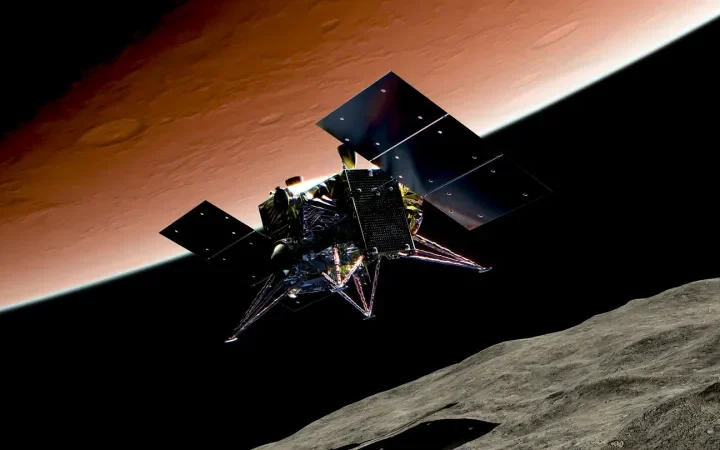 Japan’s sample return mission to Phobos may also collect some Mars dust
  Horned dinosaurs’ weapons evolved to handle the forces of combat
 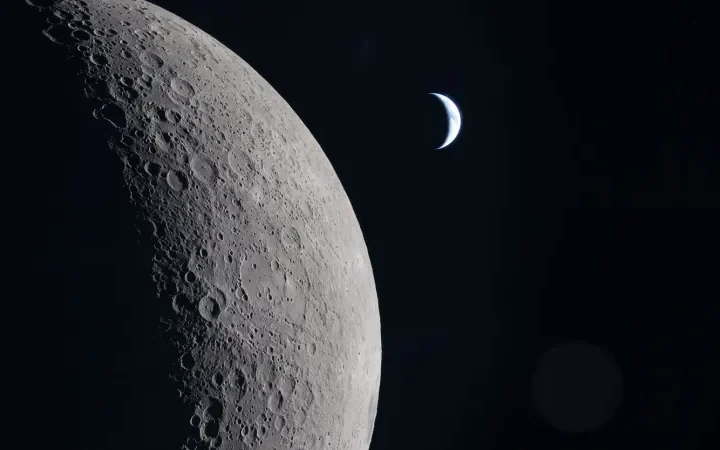 Artemis II results show how much science people can do at the moon
  Crossword: Time lines
  Many American diets may not include enough of this essential nutrient
 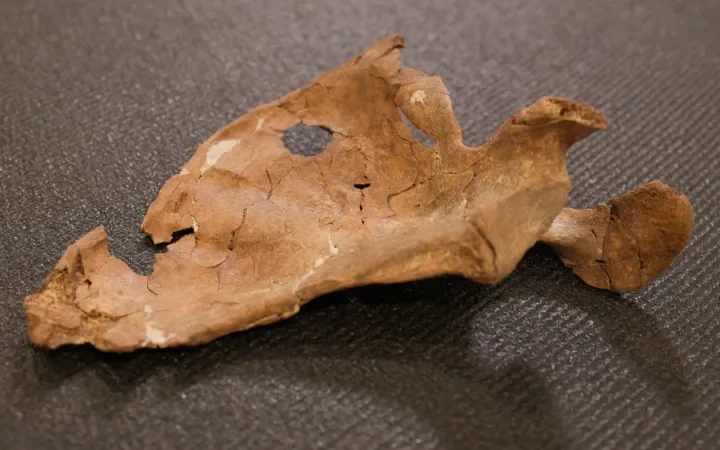 A telling hole in a Neandertal bone hints at a bitter end
  Afro-Brazilian Religious Communities Face Mounting Discrimination Amid the Climate Crisis
 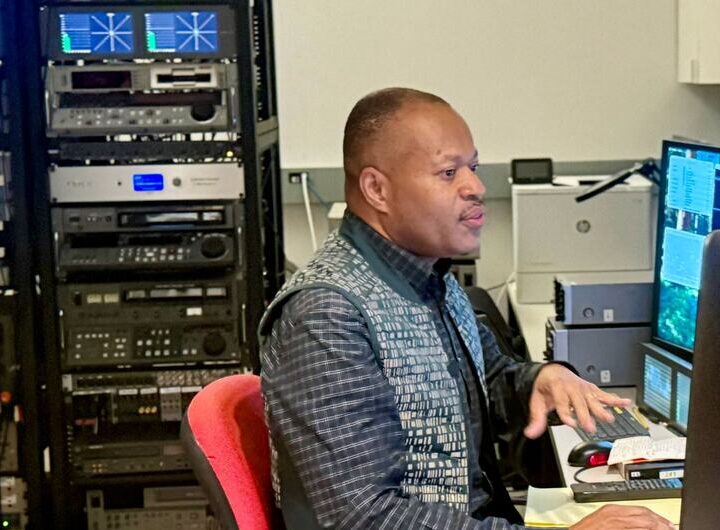 Inside the New York ‘time machine’ racing to save a century of sound and film
 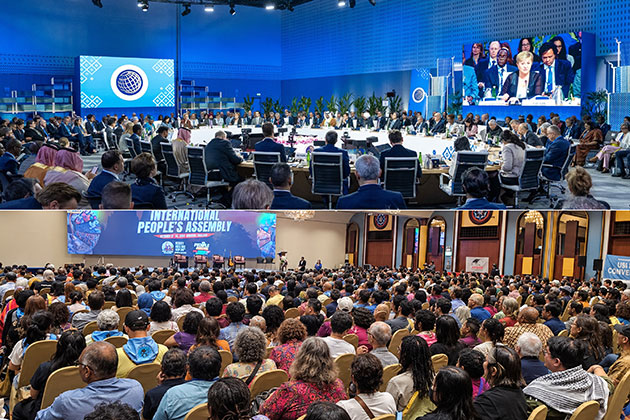 Two Summits in Bangkok: IMF/World Bank and Finance Ministers Inside, the People’s Assembly Outside