
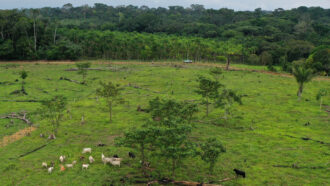
“Fungi Fridays” could save a lot of trees — and take a bite out of greenhouse gas emissions. Eating one-fifth less red meat and instead munching on microbial proteins derived from fungi or algae could cut annual deforestation in half by 2050, researchers report May 5 in Nature.
Raising cattle and other ruminants contributes methane and nitrous oxide to the atmosphere, while clearing forests for pasture lands adds carbon dioxide (SN: 4/4/22; SN: 7/13/21). So the hunt is on for environmentally friendly substitutes, such as lab-grown hamburgers and cricket farming (SN: 9/20/18; SN: 5/2/19).
Another alternative is microbial protein, made from cells cultivated in a laboratory and nurtured with glucose. Fermented fungal spores, for example, produce a dense, doughy substance called mycoprotein, while fermented algae produce spirulina, a dietary supplement.
Cell-cultured foods do require sugar from croplands, but studies show that mycoprotein produces fewer greenhouse gas emissions and uses less land and water than raising cattle, says Florian Humpenöder, a climate modeler at Potsdam Institute for Climate Impact Research in Germany. However, a full comparison of foods’ future environmental impacts also requires accounting for changes in population, lifestyle, dietary patterns and technology, he says.
So Humpenöder and colleagues incorporated projected socioeconomic changes into computer simulations of land use and deforestation from 2020 through 2050. Then they simulated four scenarios, substituting microbial protein for 0 percent, 20 percent, 50 percent or 80 percent of the global red meat diet by 2050.
A little substitution went a long way, the team found: Just 20 percent microbial protein substitution cut annual deforestation rates — and associated CO2 emissions — by 56 percent from 2020 to 2050.
Eating more microbial proteins could be part of a portfolio of strategies to address the climate and biodiversity crises — alongside measures to protect forests and decarbonize electricity generation, Humpenöder says.
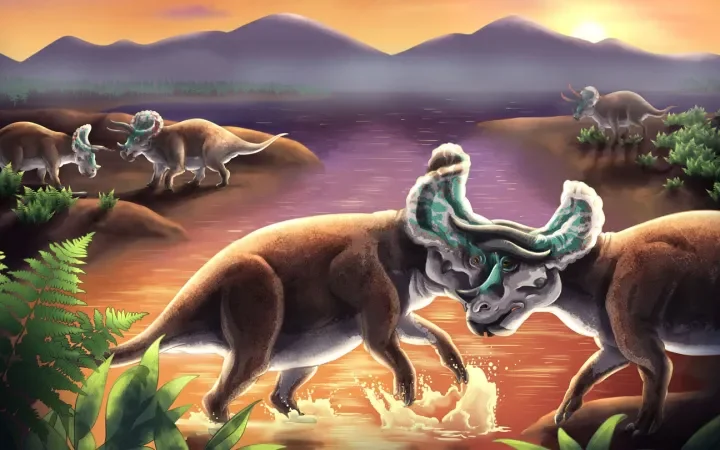 Horned dinosaurs’ weapons evolved to handle the forces of combat
  Artemis II results show how much science people can do at the moon
  Crossword: Time lines
  Many American diets may not include enough of this essential nutrient
 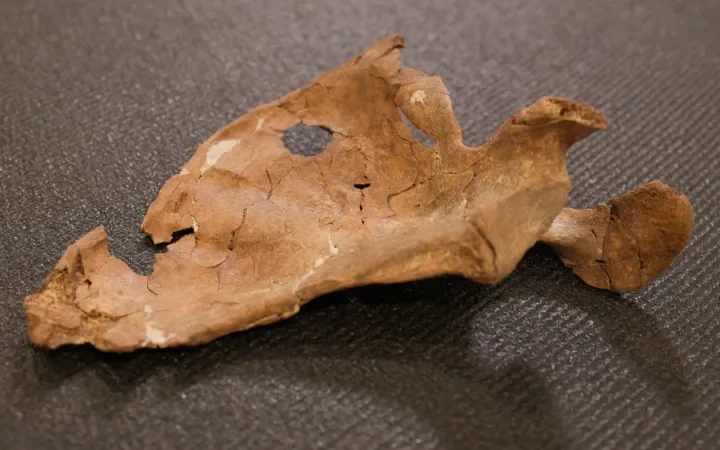 A telling hole in a Neandertal bone hints at a bitter end
  Brain implants are helping people who’ve lost their voice
  Guterres urges faster action and financing to stop biodiversity loss
 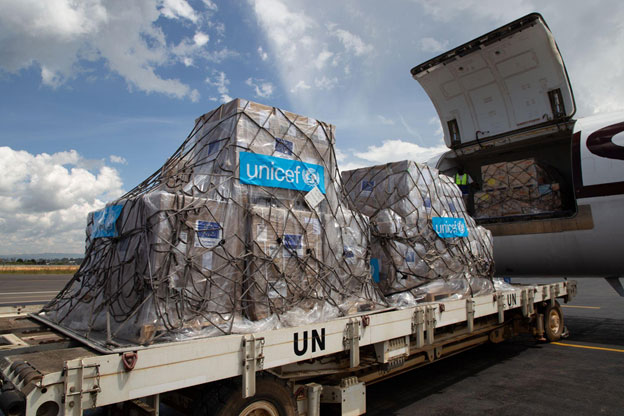 Ebola Spread Raises Fresh Urgency for Africa’s Domestic Health Funding