
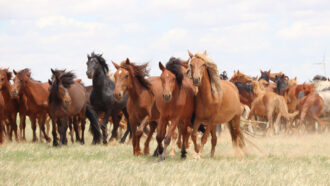
Much of human history was made astride, or beside, a horse. The animal’s stolid speed and strength powered massive migrations of people, pulled plows that transformed agriculture and revolutionized warfare. Now, researchers have pinpointed where and when horse and human history became intertwined.
Ancient DNA reveals that the modern domestic horse originated on the vast landscape of what is now southwestern Russia more than 4,200 years ago, researchers report October 20 in Nature. In just a few centuries, these horses’ descendants spread quickly across Eurasia, supplanting almost all previous wild horse populations.
Hypotheses abounded for where modern horses were domesticated, ranging from Iberia to modern-day Kazakhstan (SN: 2/22/18), says Ludovic Orlando, a molecular archeologist at the Centre for Anthropobiology and Genomics of Toulouse in France. “It’s been debated and debated and debated,” he says, “but there was nothing like a smoking gun.”
Orlando and colleagues analyzed ancient DNA from 273 horse bone specimens from across the continents, spanning 50,000 years of human and equine history. For most of that time, genetically varied wild horse populations were scattered across Eurasia. But starting around 2000 B.C., that variation vanished. By 1500–1000 B.C., domestic horses from Spain to Mongolia all descended from the same population, which the researchers traced back to more than 4,200-year-old specimens dug up on the Pontic-Caspian steppe, north of the Caucasus region and the Caspian Sea.
Two genes were distinctly different in these modern horse progenitors and may have aided this rapid expansion, the researchers found. In studies of humans and mice, those genes influence endurance, weight-bearing ability and docility. Selective breeding by humans could have “recombined two really good factors not [previously] present in any horse,” Orlando says. “That created an animal that was both easier to interact and move with.”
Humans may have tamed horses before, but it wasn’t until this point that our relationship with horses really took off, he says. “This is the moment in history horses made history.”
 These tiny snakes cartwheel to escape danger
 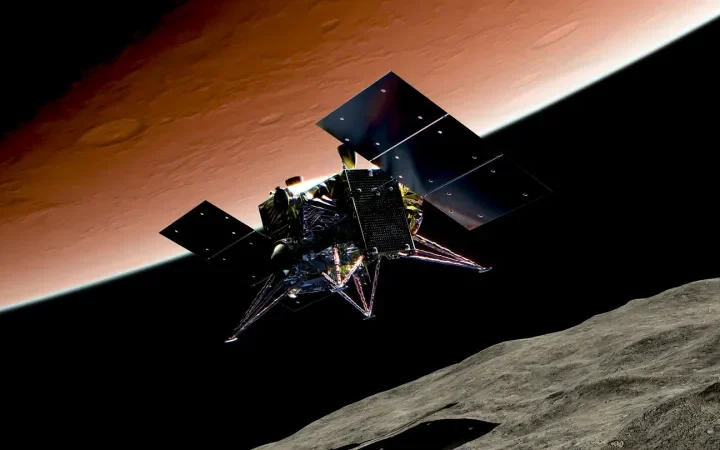 Japan’s sample return mission to Phobos may also collect some Mars dust
 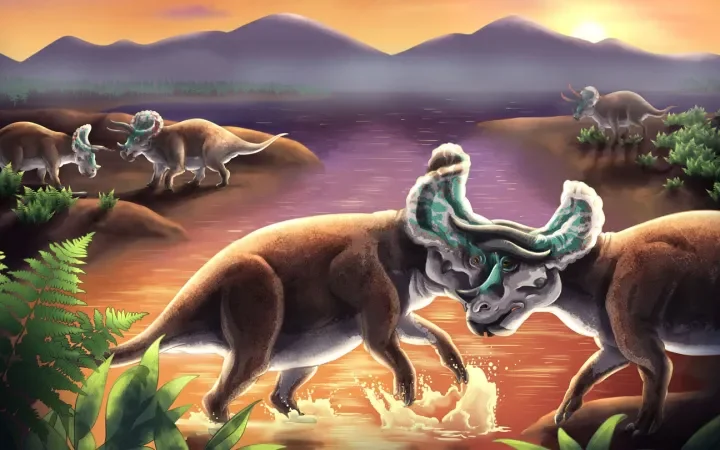 Horned dinosaurs’ weapons evolved to handle the forces of combat
  Artemis II results show how much science people can do at the moon
  Crossword: Time lines
 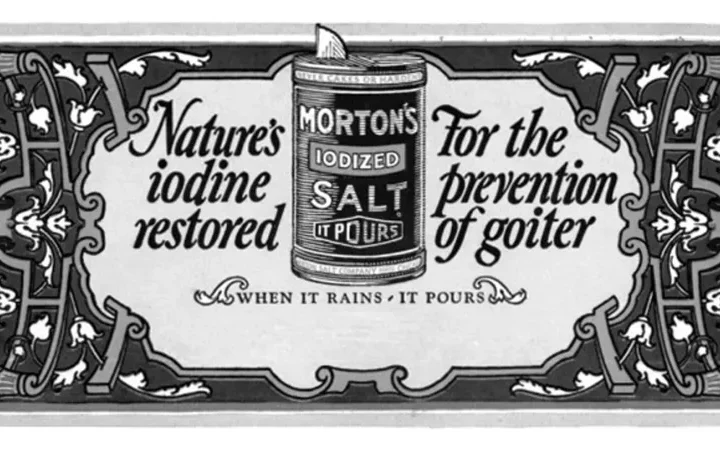 Many American diets may not include enough of this essential nutrient
  Hunger is ‘an avoidable tragedy’ in a world of plenty: Türk
  UN condemns deadly wave of drone strikes in war-torn Sudan
  Guterres honours Indonesian troops who paid ‘ultimate sacrifice’
  ‘Season of fear’: Escalating Israeli attacks on West Bank olive farmers, deadly strikes on Gaza