
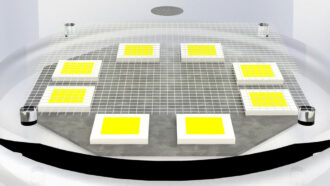
Flight isn’t easy at the edge of space. But tiny “microfliers” could soar high in Earth’s atmosphere fueled only by sunlight, experiments suggest.
At heights between about 50 and 80 kilometers above Earth’s surface, in what’s known as the mesosphere, the atmosphere is so thin that airplanes and balloons can’t stay aloft. But mechanical engineer Mohsen Azadi and colleagues at the University of Pennsylvania saw promise in a technique that uses light to levitate objects. The researchers cut disks of transparent Mylar 6 millimeters in diameter and coated the bottom sides with carbon nanotubes. When heated by light, the tiny aircraft floated inside a vacuum chamber with a pressure that mimicked the mesosphere, the researchers report February 12 in Science Advances.
Carbon nanotubes are key for the microfliers to achieve liftoff. The nanotubes absorb light, warming the flier. Air molecules gain energy when they collide with the warmed flier, ricocheting away from it at higher speeds. The molecules gain extra oomph from striking the carbon nanotubes on the bottom of the craft. That’s thanks to the material’s nooks and crannies: Air molecules collide multiple times with the nanotubes, getting even warmer and gaining more energy than those that strike the top. That extra energy translates to speedier molecules. As a result, air molecules ricochet away from the bottom of the microflier faster than from the top, generating lift.
Microfliers could run on sunlight or laser light and could someday carry small instruments to measure conditions in the relatively unexplored mesosphere, the researchers suggest.
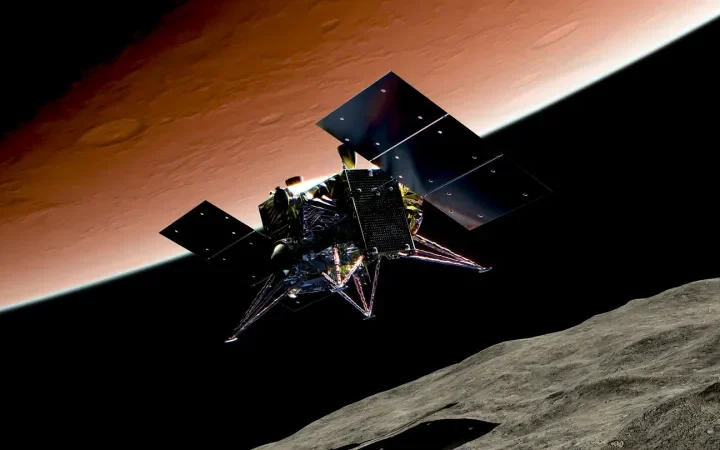 Japan’s sample return mission to Phobos may also collect some Mars dust
  Horned dinosaurs’ weapons evolved to handle the forces of combat
  Artemis II results show how much science people can do at the moon
  Crossword: Time lines
  Many American diets may not include enough of this essential nutrient
  A telling hole in a Neandertal bone hints at a bitter end
  Afro-Brazilian Religious Communities Face Mounting Discrimination Amid the Climate Crisis
 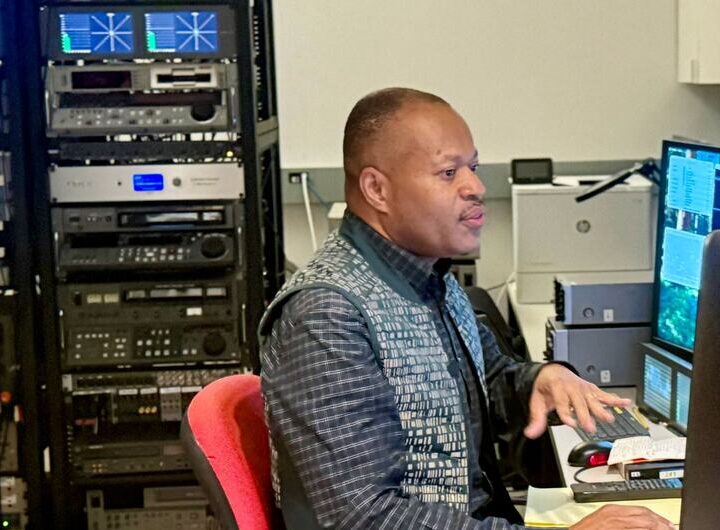 Inside the New York ‘time machine’ racing to save a century of sound and film
 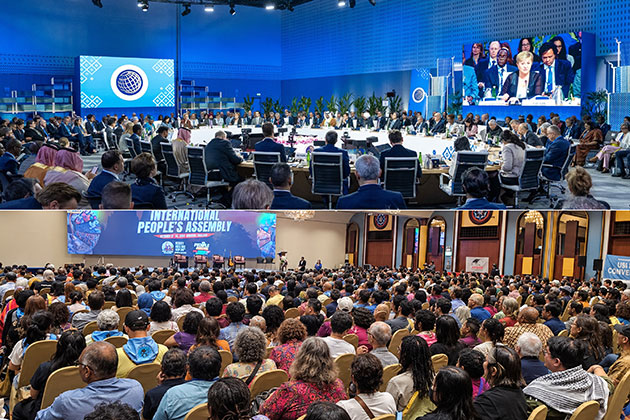 Two Summits in Bangkok: IMF/World Bank and Finance Ministers Inside, the People’s Assembly Outside