
LONDON: Britain’s easing of restrictions for family gatherings over Christmas looks like it’s still on despite a sharp spike in new coronavirus infections in the last few weeks that’s raised fears of a new wave of infections and deaths in the new year.
Britain’s communities secretary, Robert Jenrick, said further discussions will take place on Wednesday between leaders from the four nations of the UK about the planned relaxation. However, he gave no indication that a change would be announced, beyond urging people to think harder about their holiday plans.
“It could be counterproductive to produce overly restrictive rules rather than providing very clear and sober guidance and ask people to think carefully and come to their informed judgment,” he told BBC radio.
Criticism of the planned five-day easing of restrictions, which would allow three households to form a bubble, ratcheted higher with concerns emerging from scientists and from across the political spectrum.
Michael Gove, a senior member of Britain’s Conservative government, which sets public health policy for England, met with leaders from Scotland, Wales and Northern Ireland on the UK’s Christmas plans, and the group will meet again later Wednesday.
Britain’s Conservative government, along with the devolved administrations, agreed last month to allow a maximum of three households to mix between Dec. 23 and Dec. 27, regardless of what local restrictions are in place.
But with new infections rising in many places, concerns are growing that relaxation will see a further escalation in infections and deaths and put too much pressure on the already-stressed National Health Service.
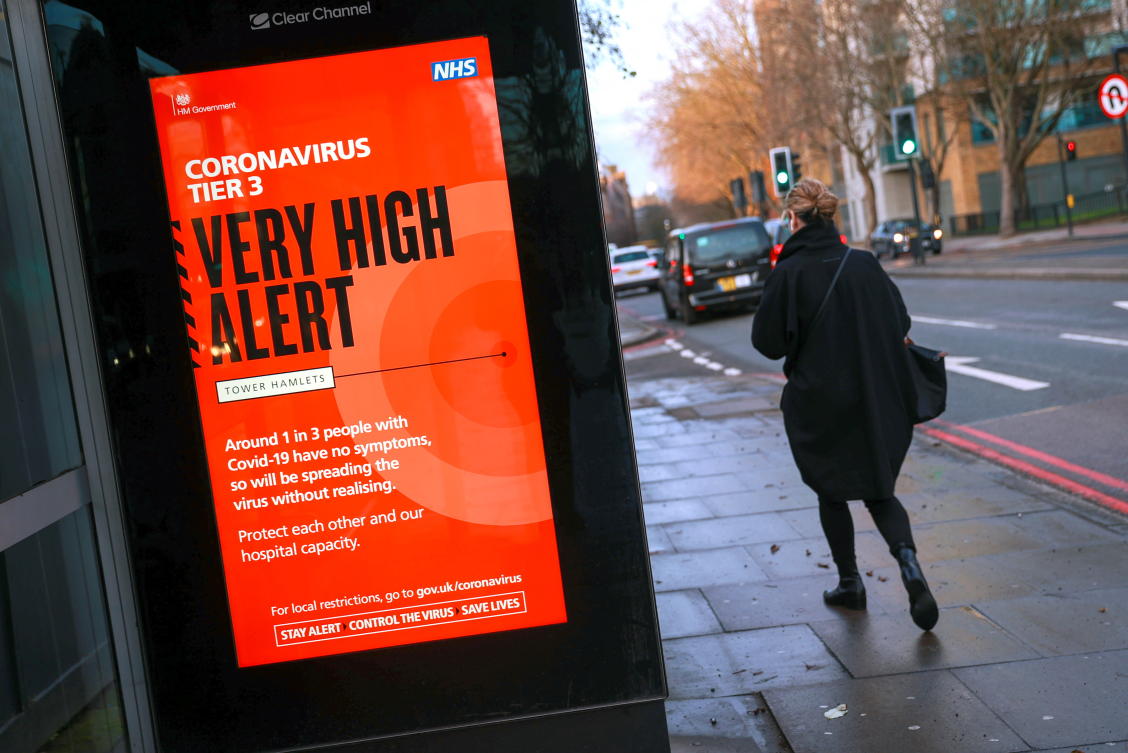
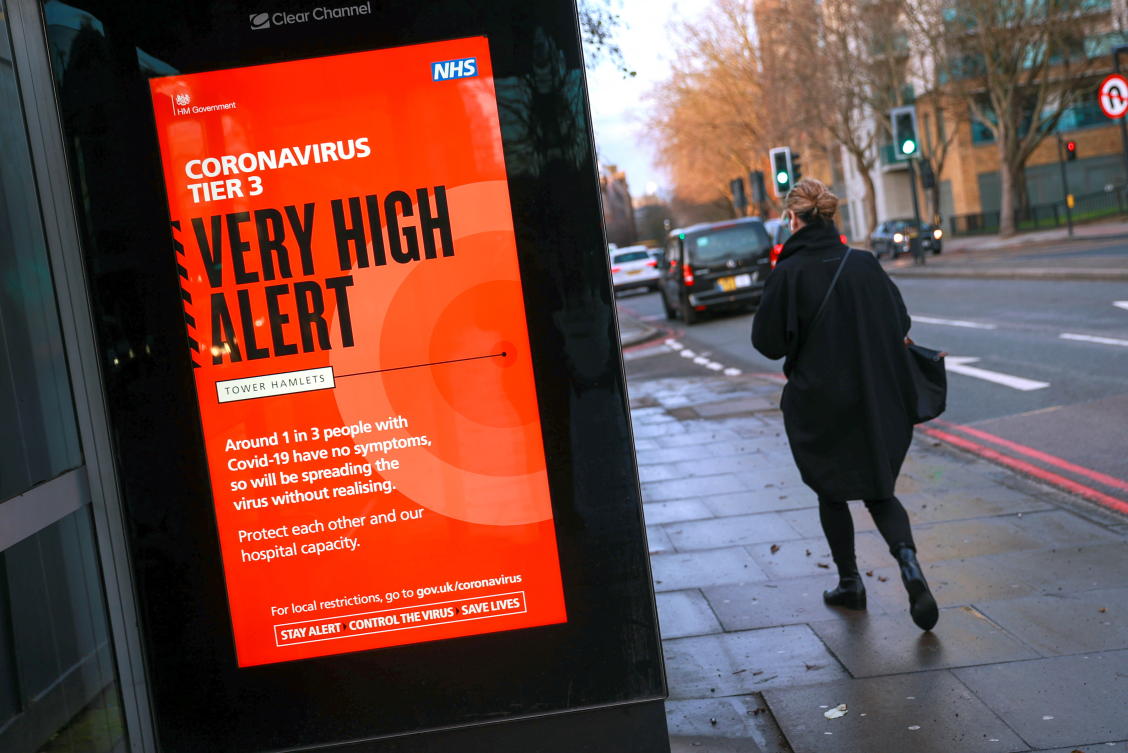
On Wednesday, London and nearby areas entered the highest level of local restrictions in England — Tier 3 — in which pubs and restaurants must close again apart for takeout, and further curbs are placed on different households meeting up.
Jenrick said the rollout of the coronavirus vaccine developed by America’s Pfizer and the German company BioNTech had changed the narrative since the Christmas decision was made. The UK became the first country in the world to use the vaccine, which that has a very high efficacy rate of around 95 percent.
“It’s given hope that early in the new year, if not before, those people can be vaccinated. So why not wait a few weeks or months to get family together when you can do so safely in 2021?” he said.
Britain is at a coronavirus tipping point, says deputy chief medical officerBritish GDP growth slows to six-month low as COVID-19 hits hospitality
 A nanoparticle revealed the tiny impact of a single gas atom
  Was van Gogh’s ‘The Starry Night’ a flight of fancy or a real sky?
  This ‘living drug’ could change the course of autoimmune disease
  AI could turn scientific papers into research assistants
  A lifesaving medication is not behind the drop in U.S. overdose deaths
  Peek into hidden worlds revealed by the 2026 Nikon Small World contest
  ‘Connect the dots’ between street protests and global turmoil, urges Guterres
  DR Congo: Ebola responders under pressure as outbreak expands