
LONDON: The new strain of the coronavirus disease (COVID-19) identified in the UK could be less infectious than first thought, according to researchers in Denmark.
Scientists from Copenhagen’s State Serum Institute found that the mutation is 36 percent more infectious than previous variants of the virus.
That is significantly lower than the 70 percent first cited by UK Prime Minister Boris Johnson, as well as the later estimation of 56 percent from London’s School of Hygiene and Tropical Medicine.
The researchers cautioned, however, that estimating infectiousness is a difficult science, and said that the true figure could be anywhere between 20 and 50 percent more infectious.
Tyra Grove Krause, head of department at the State Serum Institute, told Danish Radio: “In our calculations, we have found that the contact number for the British variant is 1.36 times higher than the other variants.”
However, she warned that the numbers are based on initial findings and so still remain somewhat uncertain.
“It’s a little lower than what we’ve heard from the UK,” she said. “Still, we have to approach it with caution, because these numbers are not set in stone. They may well change as we get more data.”
The new strain has caused significant concerns in the UK government and abroad.
It has been identified in 60 countries worldwide, and 380 Danes are known to have been infected with it.
The Danish government now estimates that up to 8 percent of new cases in the country are due to the new mutation.
Mutations are common in viruses, and many are insignificant. However, sometimes the changes to the viral code and result in them becoming more infectious, as was the case with this variant.
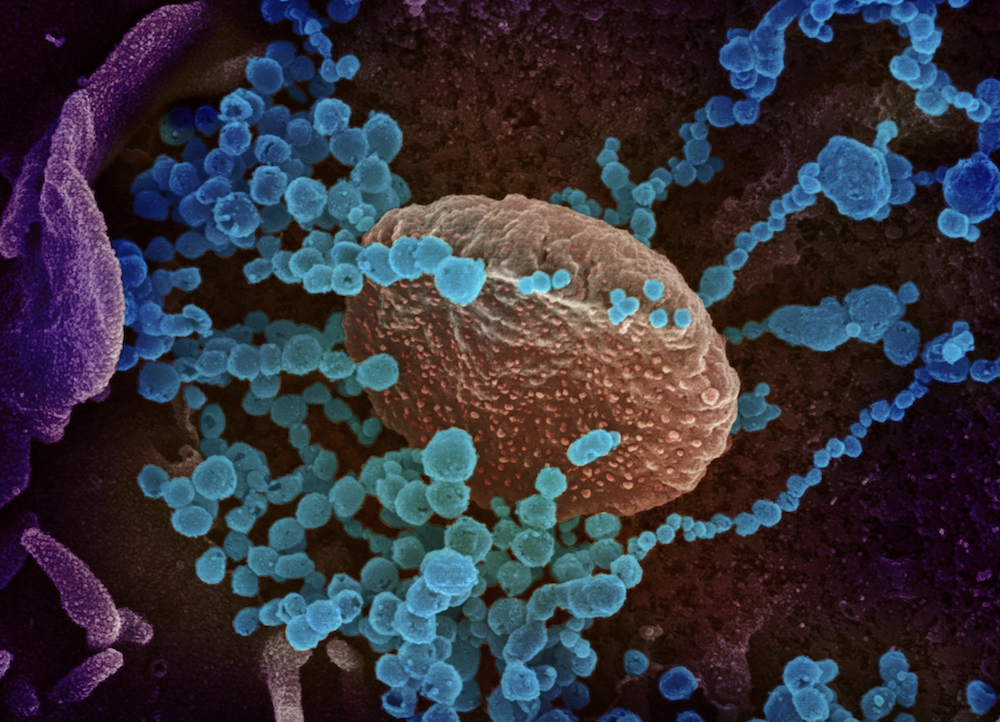
UK coronavirus strain detected in at least 60 countries: WHOGermany hits 2 million infections as WHO tackles new strainsFilipinos abroad cautioned on new strain of COVID-19Russia extends UK flight ban over new strain
 Horned dinosaurs’ weapons evolved to handle the forces of combat
  Artemis II results show how much science people can do at the moon
  Crossword: Time lines
  Many American diets may not include enough of this essential nutrient
 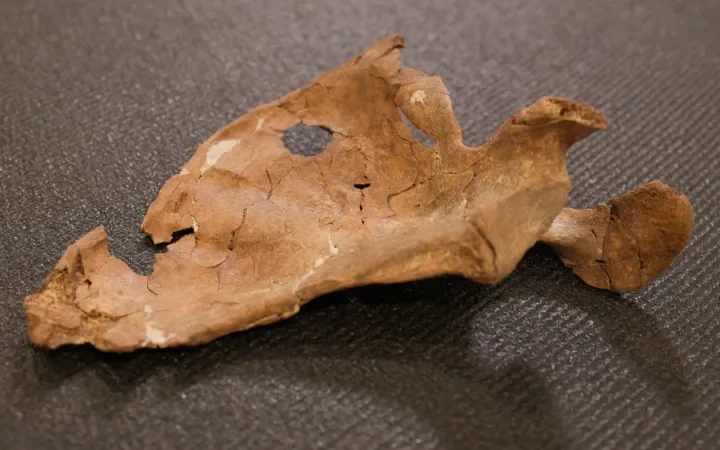 A telling hole in a Neandertal bone hints at a bitter end
  Brain implants are helping people who’ve lost their voice
  WHO scales up Ebola readiness in 22 countries across three continents
  Ukraine: Civilian casualty rates among ‘deadliest’ in years, as energy attacks intensify
  As disasters mount, next UN climate summit faces a test of trust
  Gaza: 340 children killed despite ceasefire agreement – UNICEF