
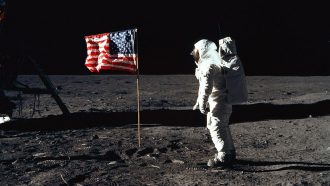
Lunar quarantine dropped — Science News, May 8, 1971
Spacecraft and men from Earth can contaminate space … with Earth-related material or organisms. But there is also a chance material returned from another celestial body could contain something harmful to the Earth…. Last week [NASA] announced it will [recommend] … that “further lunar missions need not be subject to quarantine” [because] … “there is no hazard to man, animal or plants” from anything brought back from the moon.
Update
The last U.S. lunar mission to come back to Earth, Apollo 17, didn’t have to quarantine upon return in 1972. But missions to the moon remained under strict protocols to prevent spacecraft from contaminating it. In 2020, NASA exempted most of the moon — minus areas of scientific interest and historic sites — from those rules (SN: 11/23/19, p. 10). For missions to other planets, though, strict anticontamination measures still apply. NASA has called for research of possible risks as it aims to land humans on Mars in the 2030s.
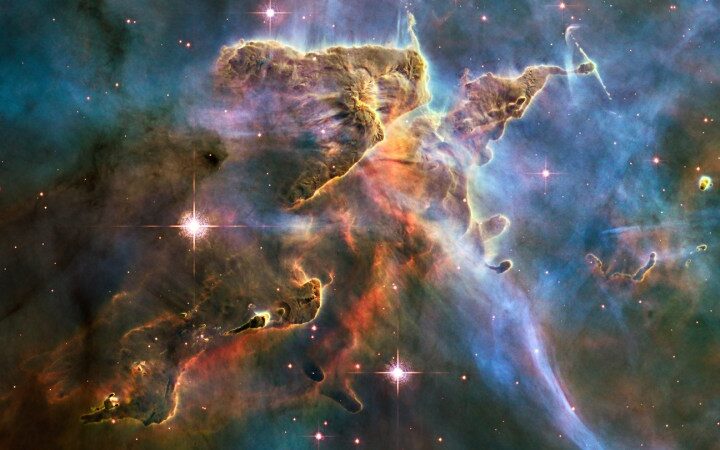 Magnetism may have helped kick-start our solar system
 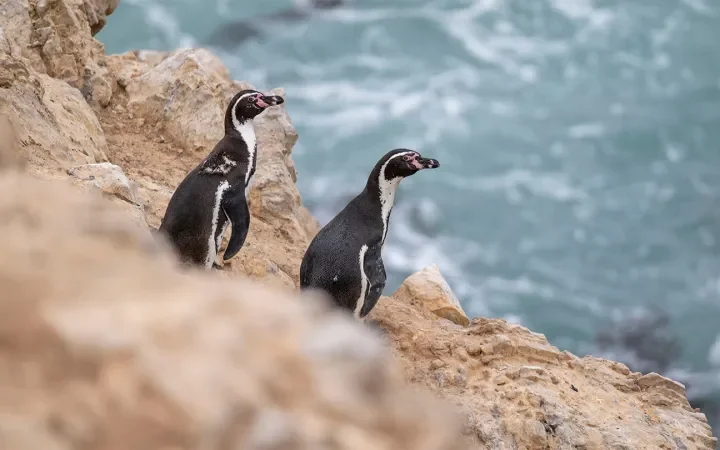 Peru’s penguins are on the brink. A super El Niño could make it worse.
 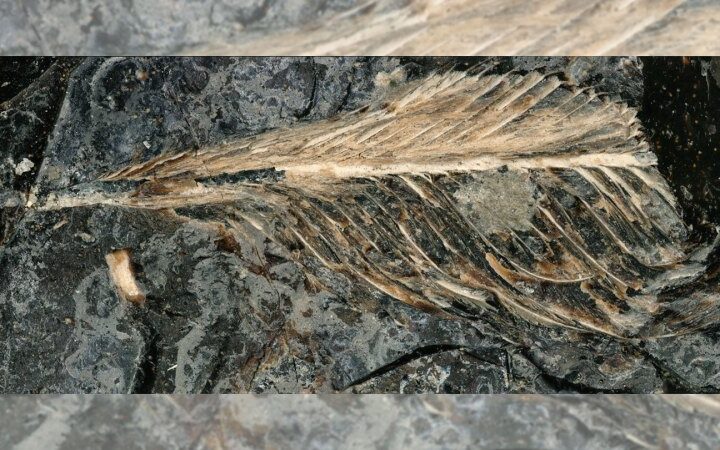 These are the first feathers ever found in fossilized dinosaur poop
 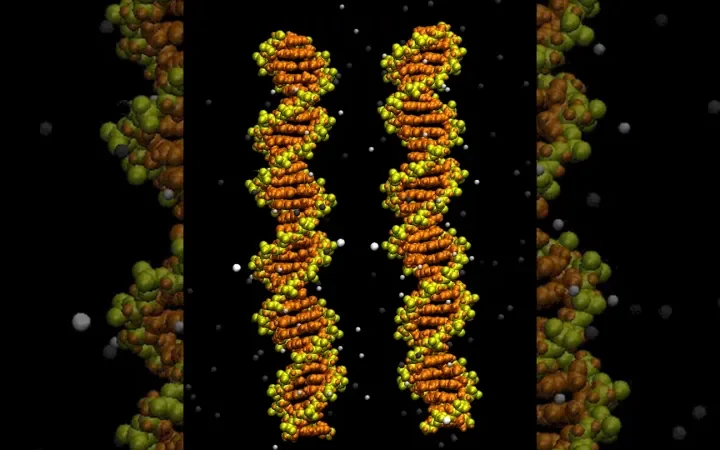 See the secret to DNA hookups
  Meet the newest living cat species, the first described in 100 years
 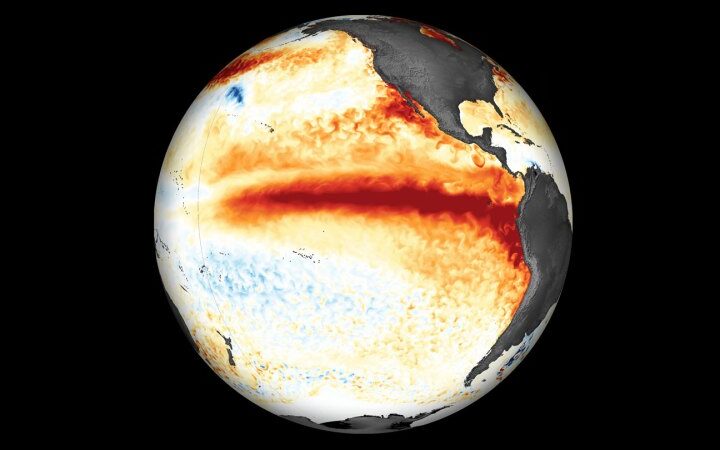 This year’s El Niño just broke a record months before it’s expected to peak
  World News in Brief: Refugee funding, US migration policy triggers ‘cascade’ of rights violations, world forests report, restorative justice in Colombia
  From energy crisis to energy transition: How renewables are reshaping energy security
  Sudan tells UN: No imposed solutions to country’s conflict
  ‘Ballot must replace the bullets’, South Sudan tells General Assembly ahead of elections