
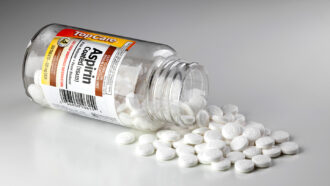
Aspirin and Birth Defects: Fetal Cell Inhibition — Science News, October 2, 1971
Although aspirin has triggered defects in rat and mice fetuses, the evidence suggesting aspirin taken by women during pregnancy can harm their offspring has been circumstantial at best. Now, however … [evidence shows] that aspirin can dramatically arrest the growth of human embryo cells.
Update
Scientists are still sorting out how aspirin and other nonsteroidal anti-inflammatory drugs, collectively known as NSAIDs, affect pregnancy at every stage. Taking NSAIDs during the first trimester is known to increase the risk of miscarriage (SN: 11/5/11, p. 14). In 2020, the U.S. Food and Drug Administration warned that people who are 20 weeks or more into a pregnancy should avoid using NSAIDs altogether because the drugs can cause rare but serious kidney problems as well as heart problems for fetuses. However, exceptions can be made for pregnant people at risk of preeclampsia (SN: 7/13/91, p. 22), clotting and preterm delivery. In such cases, the FDA recommends that doctors prescribe the lowest effective dose of aspirin.
 These tiny snakes cartwheel to escape danger
  Japan’s sample return mission to Phobos may also collect some Mars dust
  Horned dinosaurs’ weapons evolved to handle the forces of combat
  Artemis II results show how much science people can do at the moon
  Crossword: Time lines
 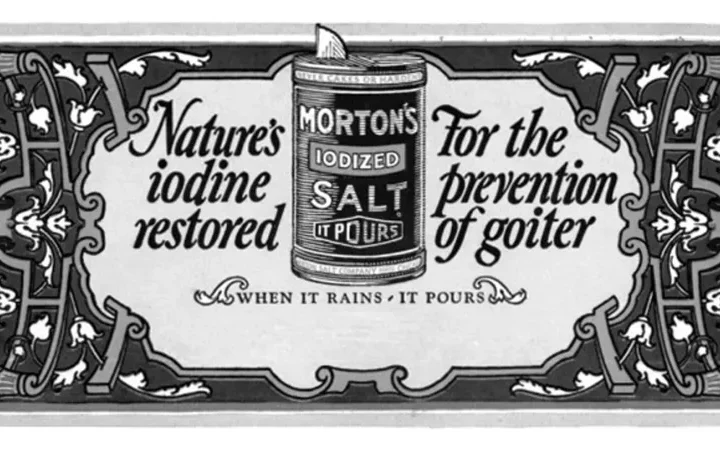 Many American diets may not include enough of this essential nutrient
  Hunger is ‘an avoidable tragedy’ in a world of plenty: Türk
  UN condemns deadly wave of drone strikes in war-torn Sudan
  Guterres honours Indonesian troops who paid ‘ultimate sacrifice’
  ‘Season of fear’: Escalating Israeli attacks on West Bank olive farmers, deadly strikes on Gaza