
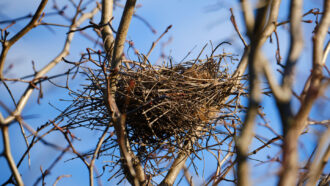
To build its nest, a bird won’t go for any old twig. Somehow, birds pick and choose material that will create a cozy, sturdy nest.
“That’s just totally mystifying to me,” says physicist Hunter King of the University of Akron in Ohio. Birds seem to have a sense for how the properties of an individual stick will translate to the characteristics of the nest. That relationship “is something we don’t know the first thing about predicting,” King says.
A bird’s nest is a special version of a granular material: a substance, such as sand, made up of many smaller objects (SN: 4/30/19). King and colleagues combined laboratory experiments and computer simulations to better understand the quirks of nestlike granular materials, the researchers report in a study to appear in Physical Review Letters.
In the experiments, a piston repeatedly compressed 460 bamboo rods scattered inside a cylinder. The computer simulations let researchers analyze the points where sticks touched, which is key to understanding the material, the team says.
The more force the piston applied to the pile, the stiffer the pile became, meaning it resisted further deformation. As the piston bore down, sticks slid against one another, and the contact points between them rearranged. That stiffened the pile by allowing additional contact points to form between sticks, which prevented them from flexing further, the simulations showed.
Changes in the pile’s stiffness seemed to lag behind the piston’s motion, a phenomenon called hysteresis. That effect caused the pile to be stiffer when the piston pushed in than when the material bounced back as the piston retracted. Simulations suggest that the hysteresis arose because the initial friction between sticks needed to be overcome before the contact points started to rearrange.
Beyond bird nests, this research could be applied to other materials made of disordered arrangements of long fibers, such as felt. With a better understanding of the physical qualities of such materials, engineers could use them to create new structures designed to protect not only bird eggs, but other cargo that humans consider precious.
 Rule breaking by just a few people can be contagious
 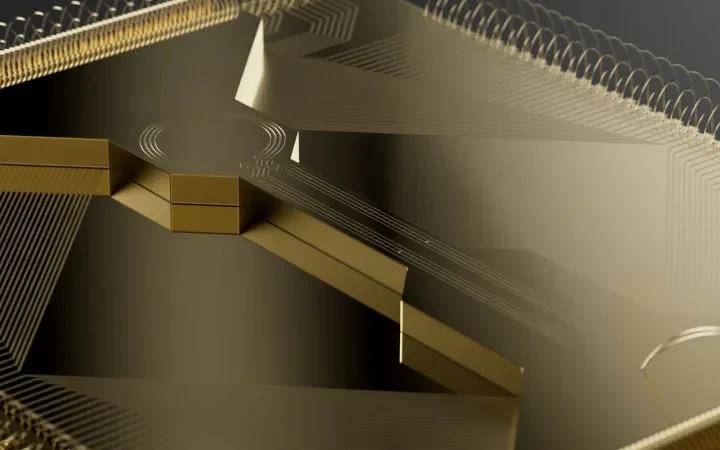 A quantum computing feat brings the ‘megaquops’ era a step closer
  AI can give you your voice back
 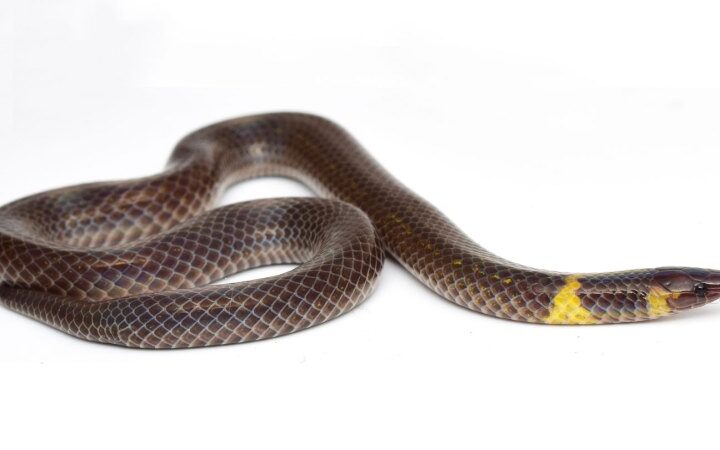 These tiny snakes cartwheel to escape danger
 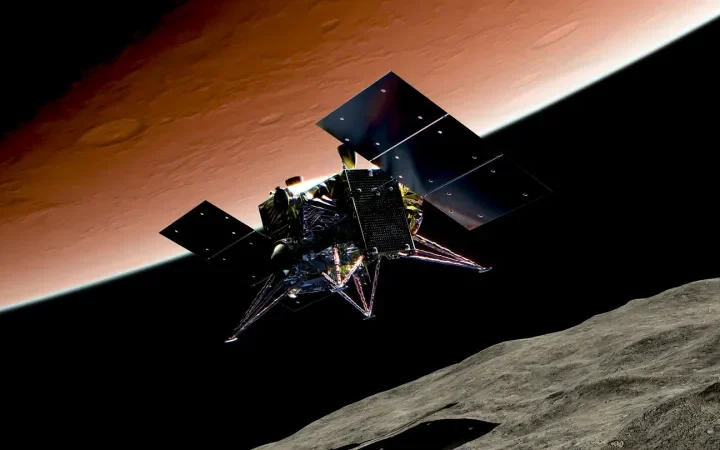 Japan’s sample return mission to Phobos may also collect some Mars dust
 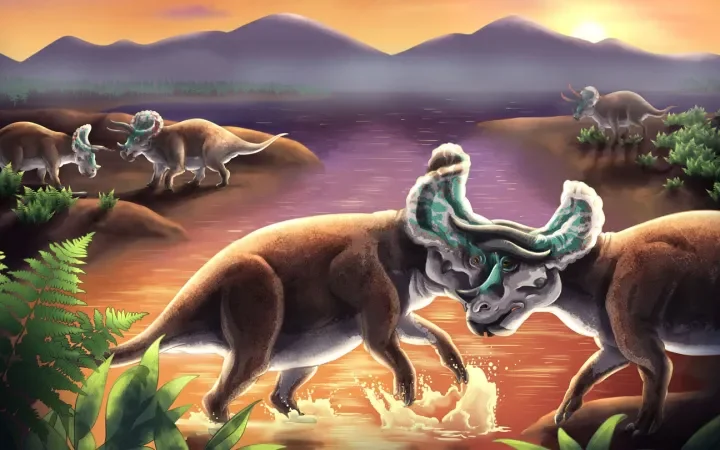 Horned dinosaurs’ weapons evolved to handle the forces of combat
 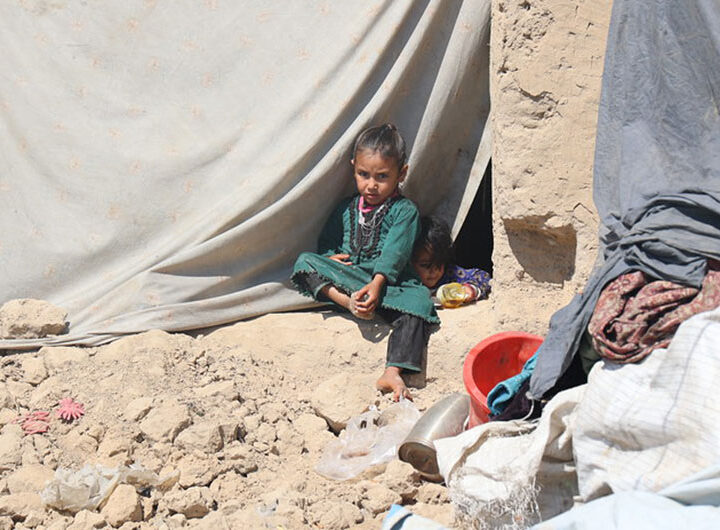 ‘One step away from famine’: Inside Afghanistan’s hunger crisis
  Bangladesh: UNICEF chief calls for an end to child marriage
 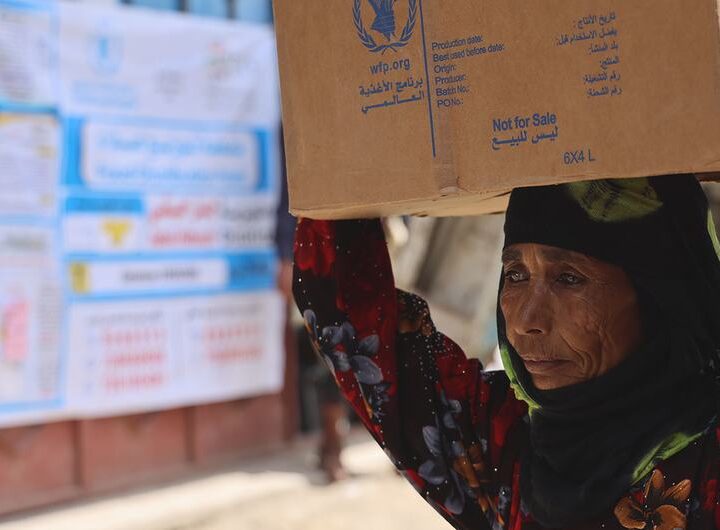 Yemen war continues to force families from homes amid hunger and disease