
In an opening scene of the new film Fathom, Michelle Fournet sits at her computer in the dark, headphones on. The marine ecologist at Cornell University is listening to a humpback whale song, her fingers bobbing like a conductor’s to each otherworldly croak and whine. Software converts crooning whale sounds into the visual space of craggy valleys and tall peaks, offering a glimpse at a language millions of years in the making.
Debuting June 25 on Apple TV+, Fathom follows two scientific teams studying the enigmatic songs of humpbacks. The film captivates, diving into the quest to unveil the inner world of these animals and their ever-changing song culture — one considered far older than our ancestors’ first upright steps.
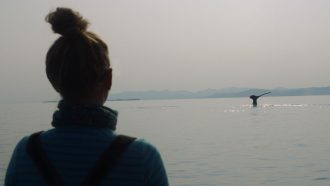
On opposite sides of the Pacific Ocean, scientists head out onto the water. In a mountain-fringed bay in Alaska, Fournet makes repeated attempts to talk to the whales, playing them a painstakingly reconstructed rendition of a yelp that she thinks may be a greeting. In French Polynesia, behavioral ecologist Ellen Garland of the University of St. Andrews in Scotland listens to humpback songs, mapping how they are tweaked, learned and shared by whales across the South Pacific. These settings are stark and gorgeous, their isolation artfully shown through silent, foggy mornings and endless cobalt seas. In a film fundamentally about oceans filled with sound, ample quiet rests on the surface.
Directed by Drew Xanthopoulos, Fathom portrays humpbacks and other whales as complex, highly social beings without overstated anthropomorphism. In one goose bump–inducing scene, Garland’s narration identifies whales’ social similarities to humans, but set in a totally different environment. Perceiving each other chiefly with sound cast over stupefying distances, “whales evolved to build relationships in the dark,” Garland says.
Fathom also gives an intimate look at what scientists undertake to find humpbacks in the vast ocean. Equipment breaks. Whales prove unpredictable. Strategies must change on the fly. These moments communicate the tough realities of science and the resilience needed for successful research.
Much of the film is immersed in scenes like these, between troubleshooting and long waits on boat surveys. At times, the film’s pace languishes; connections to greater perspectives, such as the possibility of a globally interlinked song culture, are touched on but not fully examined.
Nonetheless, Fournet’s simple distillation of her complex quest lingers: “I’m trying to start a conversation.” Her words remind us that Fathom is inherently seated at the threshold of unfathomable territory.
Watch a trailer for Fathom.
 These tiny snakes cartwheel to escape danger
 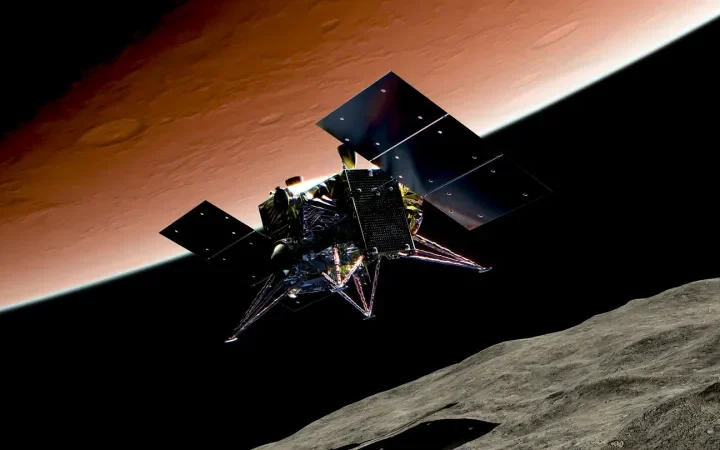 Japan’s sample return mission to Phobos may also collect some Mars dust
 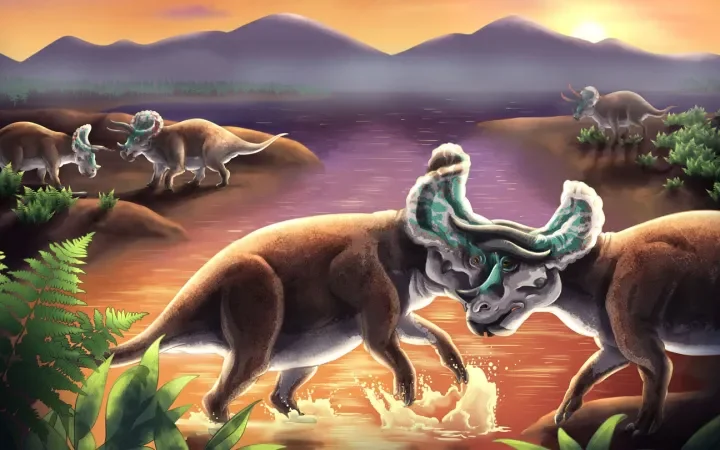 Horned dinosaurs’ weapons evolved to handle the forces of combat
 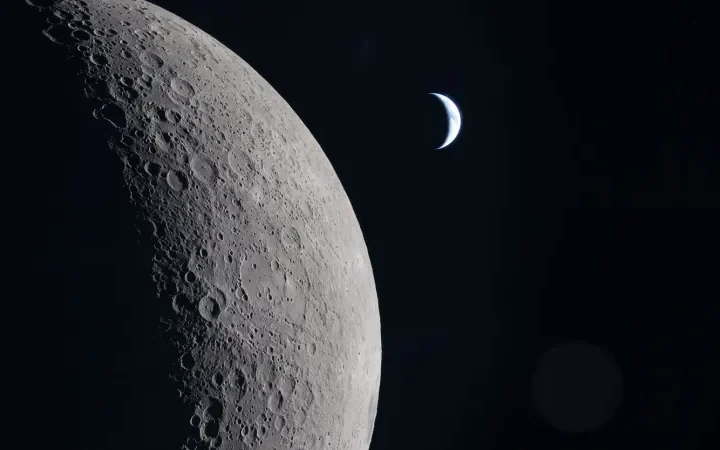 Artemis II results show how much science people can do at the moon
  Crossword: Time lines
  Many American diets may not include enough of this essential nutrient
  Hunger is ‘an avoidable tragedy’ in a world of plenty: Türk
  UN condemns deadly wave of drone strikes in war-torn Sudan
  Guterres honours Indonesian troops who paid ‘ultimate sacrifice’
  ‘Season of fear’: Escalating Israeli attacks on West Bank olive farmers, deadly strikes on Gaza